The 180-Day Protest Deadline: Are You Past It and What to Do Next?
TL;DR
1. What "Liquidation" Actually Means
Liquidation under 19 U.S.C. § 1500 is CBP's final assessment of duties, taxes, and fees on an entry. Until an entry is liquidated, the duty amount is provisional. Liquidation typically occurs 314 days after the entry date under CBP's standard liquidation cycle (19 CFR 159.11), though this can vary.
Key liquidation facts:
- CBP posts liquidation notices in ACE and on the Federal Register-style bulletin system.
- The date of liquidation is the date CBP posts the notice, not the date the importer sees it.
- Deemed liquidation occurs automatically at 314 days for most entries unless CBP extends under 19 CFR 159.12.
- Once liquidated, the entry's duty amount becomes final unless timely protested under § 1514 or reliquidated under narrow circumstances.
You can check liquidation status in ACE under the entry summary module.
2. How to Calculate the Deadline
The 180-day clock starts the date after liquidation and runs 180 calendar days (not business days). Example:
- Entry date: May 15, 2025
- Liquidation date: March 25, 2026 (314 days later)
- Protest deadline: September 21, 2026 (180 days from March 26, 2026)
Count every day, including weekends and federal holidays. If the 180th day falls on a weekend or federal holiday, the deadline extends to the next business day per 19 CFR 174.12(e).
Critical: the 180 days starts from liquidation, not from the SCOTUS ruling date, not from the CAPE portal opening, not from when you learned the duty was wrong. Every liquidated entry has its own clock.
3. How to File CF-19
Filing is via CBP Form 19, submitted through ACE or on paper at the port of entry. Required elements under 19 CFR 174:
- Protestant identification: Importer of record name, IOR number, contact info.
- Entry information: Port code, entry number, entry date, liquidation date.
- Duty at issue: Specific line items challenged, amount claimed as overpayment.
- Grounds: Written explanation of the legal basis for the refund. For IEEPA protests: cite Learning Resources, Inc. v. Trump, 2026 Supreme Court slip opinion.
- Authorized signature: Importer or licensed customs broker under POA.
- Supporting documentation: Commercial invoice, entry summary (7501), proof of payment, any CBP notices.
ACE e-filing is preferred; paper filing can take an extra 30 days to register and leaves less audit trail.
After filing, CBP has up to 2 years to decide the protest under 19 U.S.C. § 1515(a). A protest can be granted, denied, or further allowed for accelerated disposition under 19 USC 1515(b) if the importer requests.
4. When to File CF-19 vs CAPE
For IEEPA-related overpayments, both paths are available for entries inside the 180-day window. General guidance:
- File CF-19 if the entry is inside 180 days of liquidation. This preserves the statutory protest right.
- File CAPE if the entry liquidated more than 180 days ago, or if you are filing on entries that are still unliquidated (CAPE Phase 2 accepts these).
- Do not file both on the same entry; CAPE will reject as duplicate.
- If CF-19 is denied, you retain the right to file a CIT case under 28 U.S.C. § 1581(a). CAPE has no equivalent appeal mechanism.
For non-IEEPA grounds (misclassification, valuation dispute, Section 301 scope), CF-19 is the only administrative path. CAPE handles only IEEPA refunds.
5. If You Are Past 180 Days
Missing the 180-day window closes the traditional protest path. Remaining options vary by situation:
Option A: CAPE (IEEPA entries only). If the deadline passed and your claim is IEEPA-based, CAPE is your path through October 16, 2026. CAPE does not require timely CF-19 protest and accepts late-liquidated entries.
Option B: Reliquidation under 19 USC 1501. CBP may reliquidate a liquidation within 90 days on its own initiative for clerical error or mistake of fact. Unlike protest, the importer cannot compel reliquidation; this requires CBP's own motion.
Option C: Post-liquidation review under 19 USC 1520(c). Repealed in 2004. Do not rely on this for new cases.
Option D: CIT litigation under 28 USC 1581(i). Residual jurisdiction exists, but is limited to matters not addressable through § 1514 protest. Difficult to win, expensive.
Option E: Drawback (if goods were exported). Even for goods where the 180-day protest window has closed, drawback on non-IEEPA duties under 19 USC 1313 remains available for five years from import. For Section 301 and Section 232 duty on exported goods, this is a viable recovery path.
Option F: Prior disclosure for under-paid entries (different direction). Not applicable to over-paid entries.
Use the AI Analyzer to categorize each of your entries by recovery path.
6. Protecting the Statutory Right: Practical Tips
- Monitor liquidation. Set ACE alerts or have your broker provide weekly liquidation reports.
- Calendar 150 days, not 180. Gives you 30-day buffer for unexpected delays.
- File early. CF-19 filed at day 30 or 60 post-liquidation has the same legal effect as filing at day 179. Early filing reduces risk of calculation error.
- Bundle related entries. A single CF-19 can cover multiple entries with the same grounds, streamlining filings and CBP review.
- Preserve audit trail. Retain all ACE export records, liquidation notices, and filing confirmations for five years.
- Don't rely on CAPE to backstop CF-19. If CAPE is amended legislatively (Cassidy bill) or closes early, CF-19 protest is your protected statutory path.
7. Common Errors That Invalidate Protests
- Filed after 180 days. CBP will reject as untimely. No equitable tolling for administrative confusion.
- Signed by unauthorized person. If a non-broker consultant signs for compensation, the protest is invalid under 19 USC 1641. Always route through a licensed broker.
- Missing POA. Broker-signed protests require POA on file under 19 CFR 141.31.
- Wrong port. Protests must be filed at the port of entry. ACE automates this; paper filing does not.
- Insufficient grounds. A protest that does not articulate legal basis can be denied for insufficient pleading.
- Failure to pay duty. Under 19 USC 1505(b), protests cannot proceed until assessed duty is paid. Withholding payment while protesting is not available.
Frequently Asked Questions
Q: Can I extend the 180-day deadline? No. The deadline is statutory under 19 U.S.C. § 1514(c)(3) and cannot be extended by CBP or courts.
Q: What if I never received the liquidation notice? Liquidation is legally effective on posting in ACE, not on receipt. Monitor ACE; do not rely on mailed notice.
Q: If my CF-19 is denied, can I still use CAPE? Generally no for the same entry. CAPE is an alternative path, not a backup. A denied CF-19 preserves CIT appeal rights, which are the residual recovery.
Q: Does the 180-day clock pause during settlement discussions with CBP? No. File the protest and then negotiate; filing does not foreclose settlement.
Q: Can I protest a liquidation that preceded the SCOTUS ruling? Yes, if it is inside its 180-day window. The SCOTUS ruling is a retroactive change in legal basis that supports the protest grounds.
Check your clock: Upload entries to the AI Analyzer for per-entry deadline reporting, or book a deadline review.
Reviewed by Licensed Customs Broker Partner (pending name). Last updated April 22, 2026. Educational content only. Protest filings are customs business executed by our partner licensed customs broker under 19 USC 1641.
Keep reading
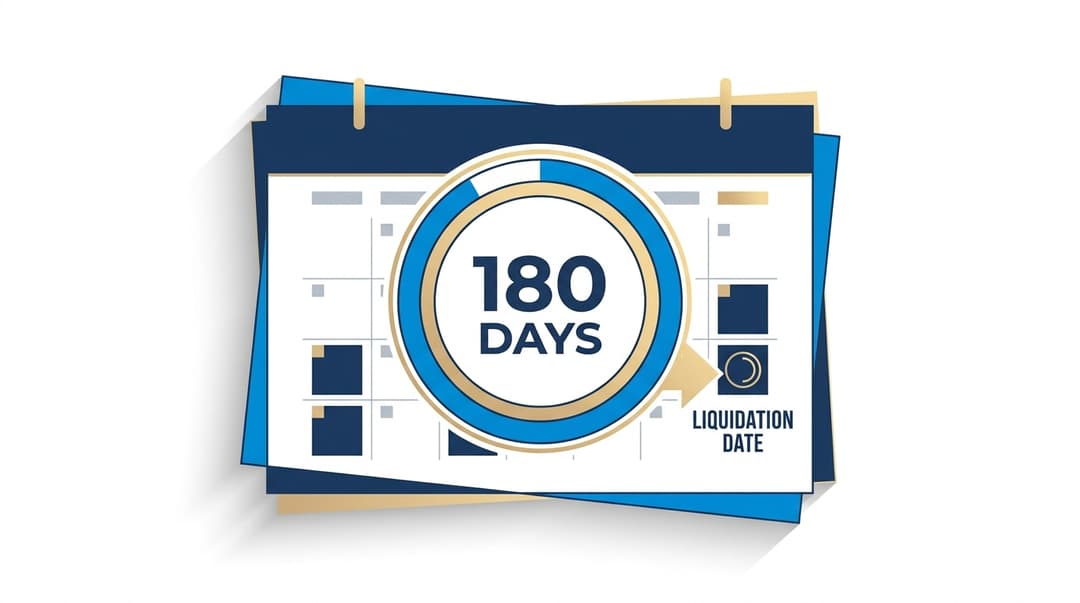
how to find your exact liquidation date
The data point the 180-day clock runs from.
Read more →
CAPE filing requirements after the 180 days expire
Your fallback path when CF-19 timing runs out.
Read more →
refund qualification test before you file
Three-prong eligibility you confirm first.
Read more →
IEEPA refund walkthrough including CF-19 protests
Comprehensive playbook covering both CF-19 and CAPE.
Read more →
Georgia state liquidation timing context
How GA-port liquidation timing affects the 180-day clock.
Read more →Frequently asked questions
Ready to recover?
Run the calculator or take the 60-second qualification quiz. Estimate only — subject to CBP adjudication.