
Can my customs broker file a refund on my behalf?
What counts as customs business
Per 19 CFR 111.1, customs business includes classification, valuation, entry filing, and any filing that affects duty liability — including refund claims. A refund is a reduction in duty, so filing one is customs business. Only licensed brokers (or the importer themselves) may sign.
A non-licensed tariff consultant or recovery firm can:
- Analyze entry data and identify refund opportunities
- Prepare documentation and build the claim package
- Coordinate with the licensed broker who signs and files
They cannot sign CF-19 protests, CAPE submissions, or any filing that CBP accepts as customs business. If a firm offers to "file your refund" without partnering with a licensed broker, that's an automatic red flag under 19 USC 1641(b)(6).
What your broker needs from you
To file a refund, the broker needs:
- Valid Power of Attorney — CBP Form 5291 or broker's standard POA template, signed by an officer of the importing company. See do I need a Power of Attorney for the broker.
- ACE portal access or readout — Entry-level data for the IEEPA window. Read how to register in ACE.
- HTSUS classification confirmation — The broker may recheck classification to avoid self-defeating refund claims.
- Banking details via CBP Form 5106 — Refunds ACH to the account listed there, not the broker's account.
- Corporate authority documentation — The officer signing the POA must have authority to bind the company.
What the broker does on CAPE claims
The CAPE portal workflow for broker-filed refunds:
- Log into ACE with broker credentials
- Pull IEEPA-window entries for the IOR
- Validate each entry's HTSUS against the IEEPA refund eligibility table
- Submit the CAPE refund request batched by port of entry
- Monitor CBP response and CF-28 Requests for Information
- Respond to any classification challenges within the 30-day window
What the broker does on CF-19 protests
For liquidated entries requiring formal protest:
- Identify entries liquidated within 180 days
- Draft CF-19 with specific grounds (in this case: IEEPA ruling, SCOTUS Feb 20, 2026)
- Attach supporting documentation (7501, commercial invoice, packing list)
- File electronically via ACE Protest Module under 19 USC 1514
- Track the protest decision under 19 USC 1515
- Escalate to Court of International Trade if CBP denies (rare for CAPE-eligible claims)
Broker fees on refund work
Brokers typically charge refund work in one of three structures:
- Hourly — $150 to $350 per hour for senior licensed brokers, common for complex protests
- Flat fee per entry — $50 to $250 per entry for high-volume CAPE batching
- Contingency — 8 to 20 percent of recovered duty, common for drawback. Some brokers offer contingency on CAPE claims but many do not because processing is formulaic
For comparison of structures see drawback consultant cost.
Red flags when selecting a broker
- No license number listed — check the CBP Broker License Search
- Refuses to share the POA terms in writing
- Claims "no broker needed" — violates 19 CFR 111
- Asks for refund ACH deposit to their account, not yours — major red flag
- Guarantees a specific refund amount before reviewing entries
Calculate your tariff refund → /calculators/ieepa-refund
Related questions
Do I need to give the broker a POA? Yes, per 19 CFR 141.31. See broker Power of Attorney mechanics.
Can I file myself without a broker? Yes, the IOR can file directly. But the ACE portal learning curve is steep. See ACE registration prerequisite for filing.
What if my broker is slow? You can revoke the POA and engage a new broker. The new broker files a new POA and takes over.
Not legal advice. Customs business performed by licensed customs broker partners under 19 CFR 111.
Keep reading
Power of Attorney needed before a broker can file
POA timing and what a valid POA must include.
Read more →
registering for ACE so your broker can transmit
ACE account prerequisites for CAPE submission.
Read more →
broker versus consultant under 19 USC 1641
Compliance line between filing customs business and advising on it.
Read more →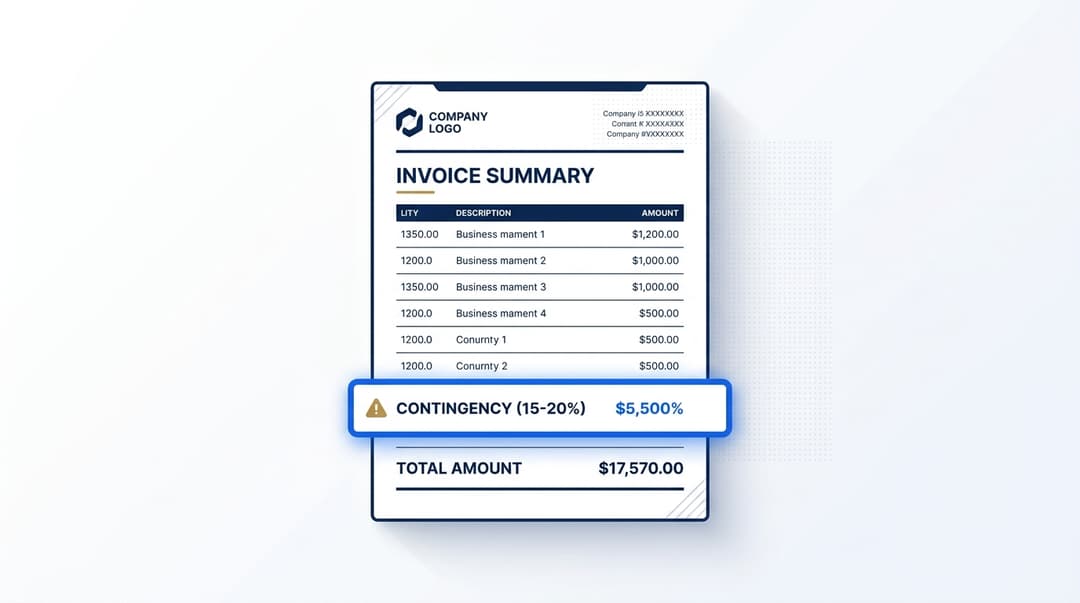
what a duty-drawback claim actually costs
Pricing models for broker-assisted drawback filings.
Read more →Related questions
Find out what you’re actually owed.
Run the IEEPA refund calculator or take the 60-second qualification quiz. Estimate only — subject to CBP adjudication.