
Customs Broker License vs Consultant: What 19 USC 1641 Actually Requires
TL;DR
1. What the Statute Says
19 U.S.C. § 1641(b)(1) is the operative language:
"No person may conduct customs business... on behalf of another unless that person holds a valid customs broker's license issued by the Secretary [of Treasury]."
Subsection (a)(2) defines "customs business":
"The term 'customs business' means those activities involving transactions with U.S. Customs and Border Protection concerning the entry and admissibility of merchandise, its classification and valuation, the payment of duties, taxes, or other charges assessed or collected by CBP upon merchandise by reason of its importation, and the refund, rebate, or drawback thereof."
Refund and drawback filings are expressly "customs business." A consultant who directly files a refund for a client is practicing customs business without a license. The statutory penalty under 19 U.S.C. § 1641(d)(2) is up to $10,000 per violation, and CBP has pursued these penalties in recent enforcement actions.
2. What Counts as "Customs Business"
The regulatory guidance at 19 CFR 111.1 and CBP's internal broker directives confirms the scope:
| Activity | Customs Business? | License Required? |
|---|---|---|
| Filing CBP Form 7501 (entry summary) | Yes | Yes |
| Filing CF-19 protest | Yes | Yes |
| Filing drawback claim (CBP Form 7551) | Yes | Yes |
| Filing CAPE claim | Yes | Yes |
| HTSUS classification advice for compensation | Yes | Yes |
| First Sale valuation advice for compensation | Yes | Yes |
| Preparing documentation for the broker to file | No | No |
| Data analysis of ACE entry summary | No | No |
| Identifying refund opportunities | No | No |
| Educational content and calculators | No | No |
| Tech platform aggregating entries for broker review | No | No |
The line is: transaction with CBP = licensed broker. Preparation and advice for the importer's own use or the broker's use = does not require license.
3. What CBP Actually Enforces
Enforcement has picked up in 2026 as the refund opportunity attracts non-broker entrants. CBP's Office of Trade published guidance in March 2026 (CSMS 62074401) warning that:
- Marketing a "tariff refund service" that includes filing the claim triggers § 1641 scrutiny.
- Contingency-fee arrangements where the filer is compensated as a percentage of refund do not shield the filer from licensure if they are the signing party on the CAPE or CF-19.
- Software platforms that auto-submit claims on behalf of clients are filing; hosting the filing UI does not transfer the filing act to the client.
- Attorneys not individually qualified as customs brokers (or at a firm lacking a broker license) cannot file drawback or refund claims, though they may litigate in the Court of International Trade.
Civil penalties range from $5,000 to $30,000 per violation depending on scope, and CBP may also seek disgorgement of fees collected. Willful violations can carry criminal exposure under 18 U.S.C. § 542 (false statements to customs).
4. The Compliant Partnership Model
The industry standard and compliant structure is a consultant or technology partner working with a licensed customs broker:
Step 1: Discovery and identification. Consultant pulls ACE data, identifies eligible entries, and prepares a refund thesis. This is not customs business.
Step 2: Documentation package. Consultant assembles commercial invoices, proof of payment, POA templates, and the proposed claim CSV. Still not customs business.
Step 3: Broker engagement. The licensed customs broker reviews the package, confirms eligibility, and accepts POA from the importer under 19 CFR 141.31.
Step 4: Filing. The broker files the CF-19, CAPE, or drawback claim using their PKI credential and license number. This is the customs business step; only the broker can do it.
Step 5: Post-filing. Consultant handles status tracking, importer communication, and any accounting. Broker handles any CF-28 or CF-29 correspondence and deficiency cures.
Fee split. Common structure is a flat consulting fee plus a broker fee per claim. Contingency-based fees are permissible if structured correctly, but both parties need to be clearly compensated for their respective work.
5. Red Flags in Vendor Selection
If you are evaluating a tariff refund vendor, ask:
- Who signs the CAPE declaration or CF-19 protest? Must be a named licensed customs broker with a valid license number you can verify against the CBP public broker license database.
- Is the license number displayed on marketing materials and disclosure documents? Compliant vendors display it.
- Does the vendor accept POA on their own behalf or the broker's behalf? Must be the broker's POA.
- What happens if a CF-28 is issued? A compliant structure names the broker as the respondent.
- What jurisdiction's law governs disputes? Brokers operate under federal customs law; pure consultants under state contract law. Disputes should name both.
- Will the vendor refund your fees if CBP denies the claim? Structure varies, but compliant vendors don't hide who the signing party is.
Refuse to work with any vendor that cannot produce a broker license number and POA chain of custody on demand.
6. How Tariff Refund Credits Structures Its Partnership
Tariff Refund Credits is not a customs broker. We are a technology and services platform that identifies refund opportunities, prepares documentation, and partners with a licensed customs broker (name to be published) who signs and files every CF-19, CAPE, and drawback claim.
Our engagement model:
- You sign a services agreement with Tariff Refund Credits for analysis and documentation preparation.
- You sign a separate Power of Attorney with our licensed customs broker partner under 19 CFR 141.31.
- The broker files every claim under their license.
- Fees are split: flat platform fee to Tariff Refund Credits, per-claim filing fee to the broker.
- All CBP correspondence is handled by the broker as the respondent of record.
This structure is auditable, compliant with 19 U.S.C. § 1641, and protects you from the unauthorized-practice risk that accompanies vendors who sidestep the broker licensing requirement.
7. What Consultants Can Do
Plenty. Consultants add significant value without crossing the licensure line:
- Entry summary data analysis
- Refund opportunity identification
- HTSUS classification research (advisory, not filed)
- First Sale valuation feasibility
- Drawback program design and bill-of-materials mapping
- Manufacturing ruling application drafting (broker files)
- Reconciliation of CBP assessments
- Internal customs compliance training
- Software tools that help the importer or broker prepare filings
- Litigation support for CIT matters (if attorney-qualified)
The rule is simple: do the thinking, let the broker do the filing.
Frequently Asked Questions
Q: Can my accountant file my CAPE claim? Only if your accountant is individually a licensed customs broker. Most CPAs are not.
Q: Can an attorney file a CF-19 protest? Only if the attorney individually holds a customs broker license, or the law firm holds a broker license and the attorney operates under it. Otherwise, litigating at CIT is fine; filing protests or CAPE is not.
Q: If I am the importer of record, can I file my own claims? Yes. § 1641 applies only to filing on behalf of a third party for compensation. An IOR filing for itself needs no license.
Q: Does software that auto-fills my claim require a broker license? The software itself does not, but if the software submits the claim on your behalf for a fee, the operator is filing, and that triggers licensure. Compliant vendors route the submission through a licensed broker.
Q: How do I verify a customs broker license? CBP maintains a public database of active licensed customs brokers. Search by license number or broker name. Expired or surrendered licenses invalidate any filing.
Want a compliant refund path? Upload your entries to the AI Analyzer and we'll route eligible claims to our licensed customs broker partner for filing. Or book a scoping call.
Reviewed by Licensed Customs Broker Partner (pending name). Last updated April 22, 2026. Educational content only. Tariff Refund Credits is not a law firm and does not transact customs business directly; all refund filings are executed by our partner licensed customs broker under 19 USC 1641.
Keep reading
what customs business looks like in practice
Concrete definition of broker-only work.
Read more →
Power of Attorney basics for broker engagement
Document that authorizes a broker to act for you.
Read more →
ACE account setup before broker engagement
Preconditions for broker-mediated CAPE filings.
Read more →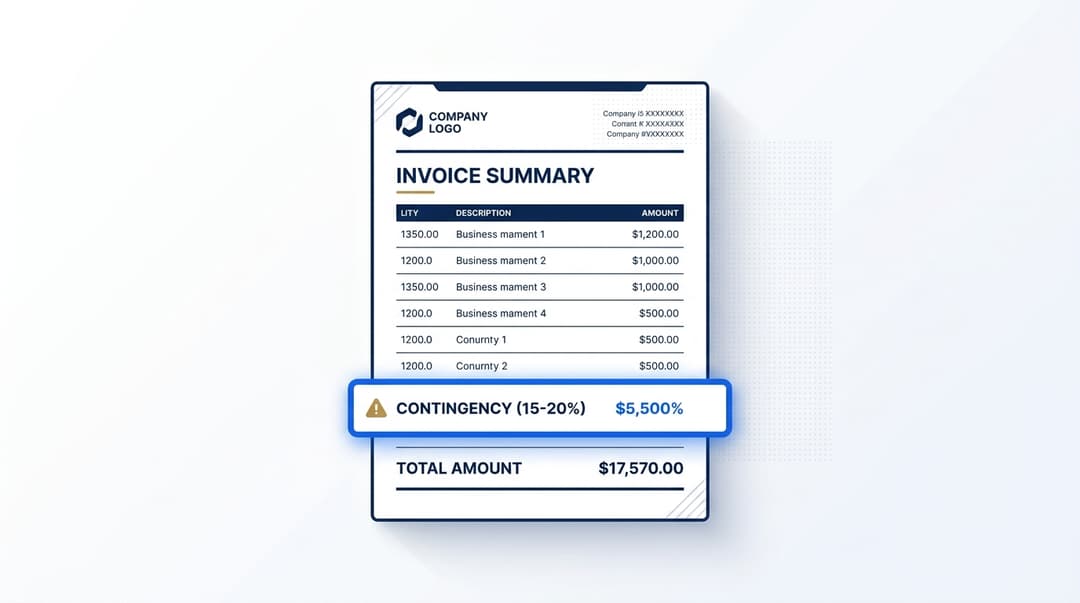
drawback engagement pricing context
Cost dynamics that differ between brokers and consultants.
Read more →Frequently asked questions
Ready to recover?
Run the calculator or take the 60-second qualification quiz. Estimate only — subject to CBP adjudication.