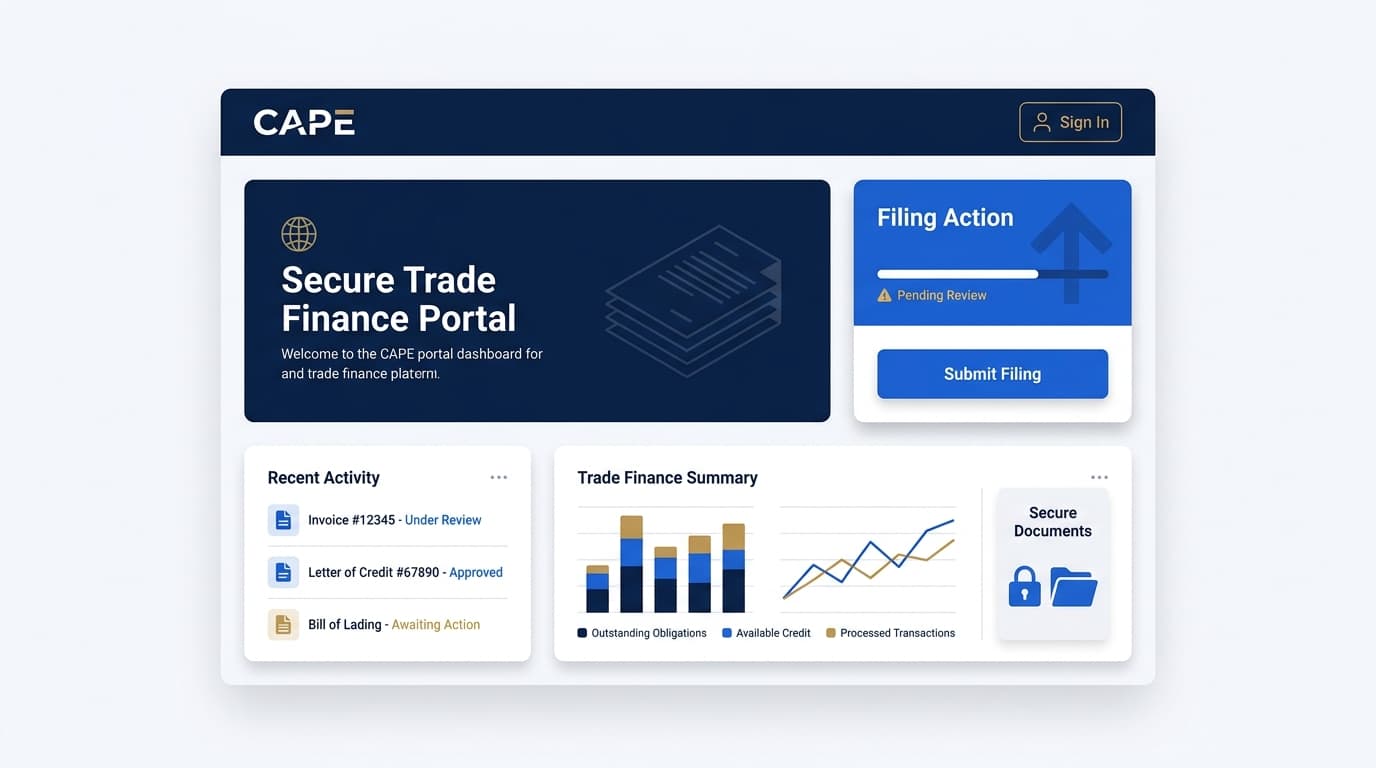
CAPE Portal: How to File Your IEEPA Refund in 2026
TL;DR
1. What CAPE Is and Why It Exists
CAPE is not a new statute. It is a procedural module built on top of ACE to process the Court-ordered refund remediation in bulk. The Supreme Court's Feb 20 order gave CBP 270 days to make importers whole. CBP's answer was to build a CSV-first, broker-friendly intake that can handle roughly 330,000 claims without hand-processing each CF-19 protest.
Key differences from traditional CF-19:
- Bulk CSV upload. CF-19 is per-entry. CAPE accepts up to 10,000 entries in a single CSV.
- Auto-matching. CAPE cross-references your IOR number against CBP's master IEEPA ledger and returns a pre-populated claim roster.
- Electronic declaration. No paper. ACE PKI signature only.
- ACH-only disbursement. Paper checks are not supported.
- Statutory carve-out. CAPE does not toll the 180-day CF-19 protest clock. If your entry is still inside CF-19 window, file the protest; don't wait for CAPE processing.
2. Prerequisites Before You Log In
You cannot use CAPE without the following in place:
1. Active ACE Secure Data Portal account. If your IOR number is bonded but you've never logged into ACE, you need to register. Registration requires a business taxpayer ID, a CBP Form 5106 on file, and PKI credential issuance (typically 3-5 business days).
2. ACH refund enrollment. File CBP Form 1300 (ACH Credit Enrollment) through ACE. Requires bank ABA, account number, and Treasury Financial Manual compliance certification. Approvals take 7-14 days. Unenrolled claims sit in pending status indefinitely.
3. Broker Power of Attorney on file (if filing through a broker). POA must be on CBP Form 5291 or broker-provided equivalent conforming to 19 CFR 141.31.
4. Continuous bond in good standing. Lapsed bond = suspended CAPE access.
5. Reconciliation of outstanding CBP debts. Any past-due fines, penalties, or liquidated damages on your IOR account will be offset against the refund before ACH disbursement.
3. Phase 1 vs Phase 2: What's the Difference
CBP structured CAPE in two phases to triage volume:
| Feature | Phase 1 | Phase 2 |
|---|---|---|
| Open date | April 20, 2026 | July 25, 2026 |
| Close date | July 24, 2026 | October 16, 2026 |
| Eligibility | Liquidated entries with IEEPA duty | All remaining (liquidated + unliquidated) |
| Refund target SLA | 60 days from approved claim | 90 days from approved claim |
| Interest | Full § 1505(c) | Full § 1505(c) |
| CSV max size | 10,000 entries | 10,000 entries (multiple filings allowed) |
| Auto-match | Yes | Yes |
| Manual review threshold | Claims > $5M | Claims > $2M |
Phase 1 prioritizes importers with clearly-liquidated, matched entries. Phase 2 handles unliquidated entries, Post-Summary Correction derivatives, and claims flagged for CBP manual review.
4. Step-by-Step Filing Walkthrough
Step 1: Log into ACE. Navigate to ace.cbp.dhs.gov and authenticate with your PKI credential.
Step 2: Open the CAPE tile. On the ACE home, CAPE appears under "Refunds & Protests" for accounts with ACH enrollment active.
Step 3: Run Auto-Match. Click "Run Auto-Match on IOR #____". CAPE pulls every entry with a 9903.01.xx HTSUS line within the ruling window and returns a roster with: entry number, entry date, liquidation date, IEEPA duty paid, and eligibility flag.
Step 4: Review and exclude. Flag any entry you do not want to claim (e.g., if you've already filed CF-19 and the protest is pending). Excluding an entry at this step prevents duplicate-claim rejection.
Step 5: Export CSV for review. Download the proposed claim roster, reconcile against your internal records, and upload signed-off CSV back to CAPE.
Step 6: Broker certification (if applicable). Your broker signs the declaration under their license number; their PKI credential binds the filing to 19 USC 1641 authority.
Step 7: Submit. CAPE returns a claim ID (format: CAPE-YYYY-XXXXXXX) and queue position.
Step 8: Track status. ACE dashboard shows: Submitted → Auto-Validated → Under Review → Approved → Paid. Status updates every 24 hours.
Step 9: Receive ACH. Approved claims disburse to the bank on file within the phase SLA (60 or 90 days). Interest is included in the ACH credit.
5. Common Filing Errors and How to Avoid Them
Error: "Duplicate claim detected." Cause: a CF-19 is already pending on one or more entries in the CSV. Fix: exclude those entries from CAPE and let the CF-19 run its course.
Error: "POA not on file." Cause: broker filed without registered POA. Fix: upload POA via CBP Form 5291 and resubmit.
Error: "Bond insufficient." Cause: claim amount exceeds bond limit. Fix: post rider or restructure into multiple claims.
Error: "HTSUS mismatch." Cause: filer self-identified IEEPA duty that was actually Section 301 or Section 232. Fix: re-pull ACE entry summary and confirm 9903.01.xx line.
Error: "ACH rejected." Cause: bank account on CBP Form 1300 is closed or frozen. Fix: refile Form 1300 with current bank info.
Error: "Outstanding debt offset." Cause: prior fines or liquidated damages reduce the net refund. Fix: resolve the underlying debt or accept the offset.
6. Should You File CF-19 or Wait for CAPE
Short answer: if the entry is inside the 180-day CF-19 window, file CF-19. Do not wait for CAPE.
Why: the 180-day protest right under 19 U.S.C. § 1514 is statutory. If you let it expire while waiting for CAPE, and CAPE later rejects the claim on a technicality, you have no backup. CF-19 protest filed protects the statutory right; CAPE can still be filed in parallel by flagging the entry as "protest pending."
Entries liquidated more than 180 days before April 20, 2026, have no CF-19 option and must go through CAPE. For those entries, CAPE is the only path short of Court of International Trade litigation.
See checking your refund eligibility first and CAPE deadline answer for the decision logic.
7. What If You Miss Phase 1
If you file after July 24, 2026, your claim rolls into Phase 2 automatically if submitted before October 16, 2026. Phase 2 has a 90-day SLA rather than 60 days, but otherwise operates identically. Interest continues to accrue under § 1505(c), so delay is not free to CBP; it is a cash-flow drag on you, not a lost right.
If you file after October 16, 2026, CAPE is closed. Your only remaining paths are: a pending CF-19 protest already on file (if inside the 180-day window), or Court of International Trade litigation under 28 U.S.C. § 1581. CIT litigation is economical only for claims above roughly $500,000 given legal costs.
Frequently Asked Questions
Q: When does the CAPE portal close? Phase 1 closes July 24, 2026. Phase 2 closes October 16, 2026. After that, CAPE is closed.
Q: Does CAPE replace CF-19? No. CF-19 remains the statutory protest mechanism under 19 U.S.C. § 1514. CAPE is a parallel administrative remediation path for IEEPA-specific refunds.
Q: How long until I get my refund? Phase 1 target: 60 days from approved claim. Phase 2: 90 days. Both include full interest under § 1505(c).
Q: Can my consultant file for me through CAPE? Only if they are a licensed customs broker under 19 USC 1641. Unlicensed third-party filing is unauthorized practice.
Q: What if my bond is insufficient for the claim amount? Post a rider through your surety or split the claim into multiple filings. CBP will suspend the claim pending bond cure.
Next step: Model your refund on the IEEPA Refund Calculator, upload ACE data to the AI Analyzer, or book a filing consult.
Reviewed by Licensed Customs Broker Partner (pending name). Last updated April 22, 2026. Educational content only. CAPE filings are customs business and are executed by our partner licensed customs broker under 19 USC 1641.
Keep reading
qualification screen before opening the portal
Eligibility check you run before logging into CAPE.
Read more →
CAPE Phase 1 eligibility specifics
Detailed breakdown of who Phase 1 covers.
Read more →
ACE account prerequisites for CAPE access
CAPE sits on top of ACE; ACE account comes first.
Read more →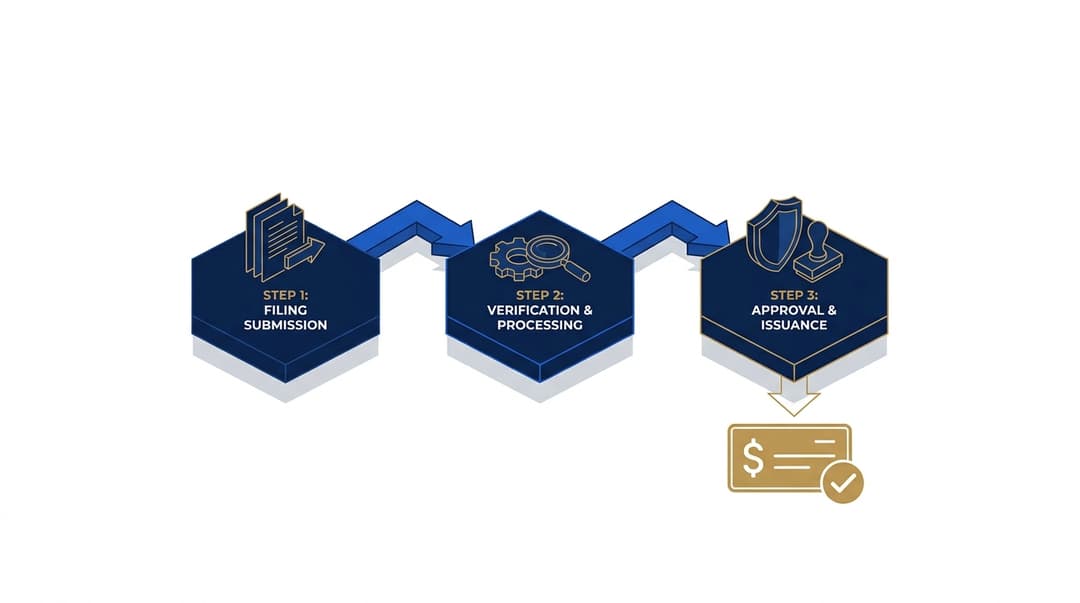
parallel drawback filing strategy
When to file drawback alongside CAPE on the same entries.
Read more →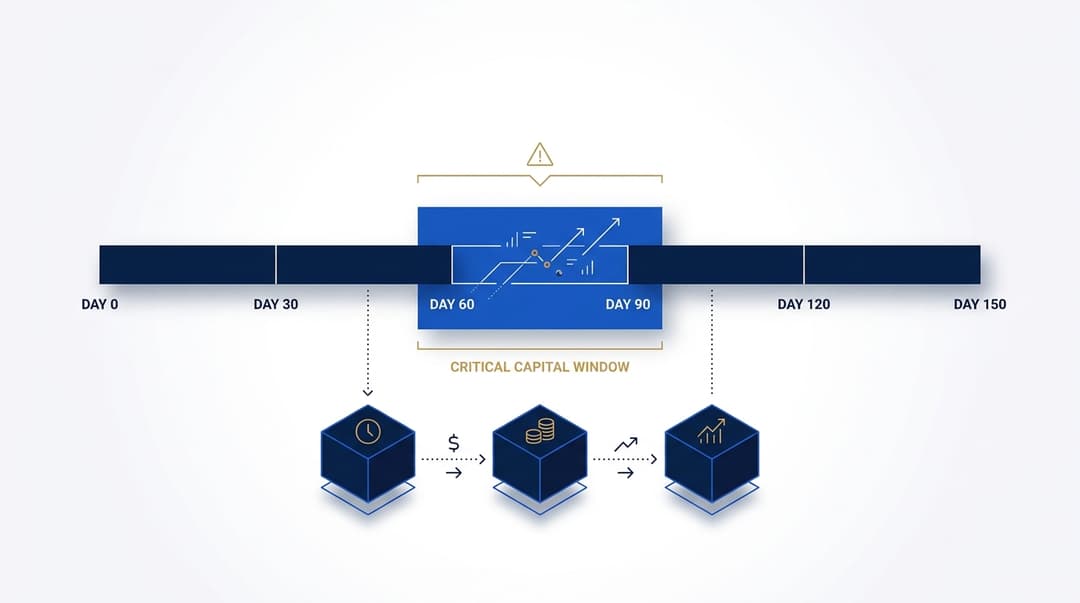
expected processing time inside the CAPE portal
60-90 day CBP target per entry once queued.
Read more →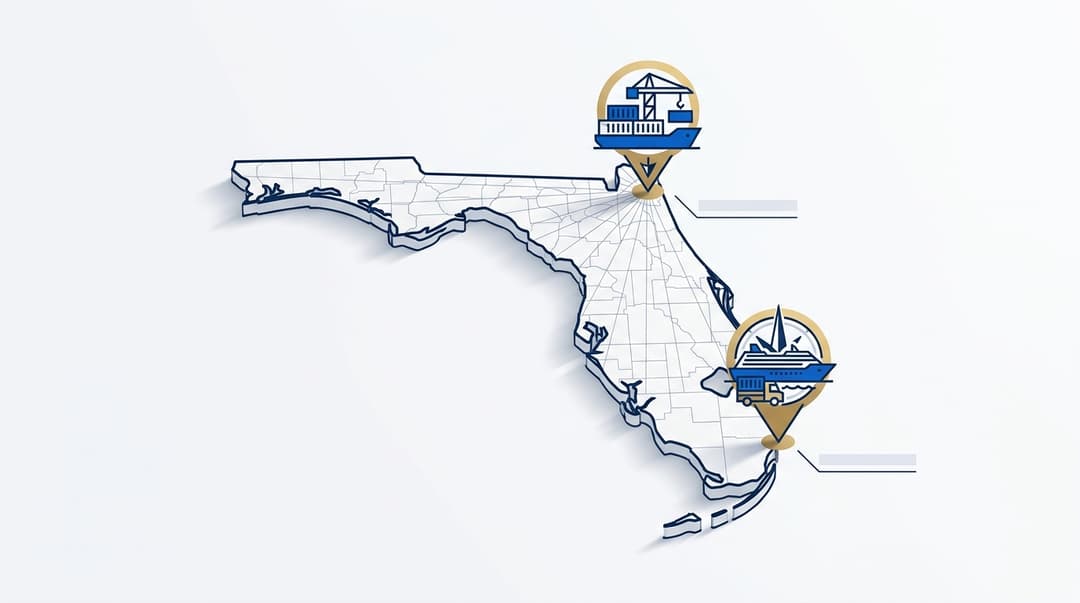
Florida-port CAPE filing context
Port-specific CAPE guidance for FL entries.
Read more →Frequently asked questions
Ready to recover?
Run the calculator or take the 60-second qualification quiz. Estimate only — subject to CBP adjudication.