
Foreign Trade Zone vs Duty Drawback: Which Strategy Wins in 2026?
TL;DR
1. What an FTZ Actually Does
An FTZ is an area designated under 19 U.S.C. § 81a-81u (Foreign Trade Zones Act of 1934) and administered by CBP and the FTZ Board. Goods entered into an FTZ are considered outside U.S. customs territory until formally "entered for consumption" by filing a CBP Form 7501. This creates four key benefits:
1. Duty deferral. Duty is paid only when goods leave the FTZ for U.S. consumption. Goods sitting in the FTZ for months or years accrue no duty liability.
2. Duty elimination on exports. Goods that enter the FTZ and are subsequently exported never incur U.S. duty. No drawback filing required; no 1% admin fee.
3. Inverted tariff benefit. If raw materials enter at a higher duty rate than the finished product, the importer may elect to pay duty at the finished product rate (weekly entry), effectively reducing duty exposure. This is known as "inverted tariff" treatment.
4. Scrap and shrinkage relief. Materials that enter the FTZ and are consumed as scrap, shrinkage, or destroyed in manufacturing never incur duty. Ordinary import would require duty payment on the full quantity.
Two FTZ types exist: general-purpose zones (operated by a public grantee like a port authority) and subzones (specific to one company's operations, typically manufacturing plants).
2. What Drawback Does (Summary)
Drawback under 19 U.S.C. § 1313 refunds 99% of duty paid on imported merchandise subsequently exported or destroyed. Three main types: manufacturing (direct ID), manufacturing substitution, and unused merchandise substitution. Full coverage in the drawback filing guide.
Key contrasts with FTZ:
- Drawback is backward-looking: pay duty first, recover 99% later.
- Drawback requires export documentation (AES filings).
- Drawback is post-payment, with refund timing of 4-6 weeks under APP or 12-18 months without.
- Drawback has a 5-year lookback window.
3. Side-by-Side Comparison
| Dimension | FTZ | Drawback |
|---|---|---|
| Cash flow | Defer duty indefinitely | Pay now, refund later |
| Export benefit | 100% duty avoidance | 99% refund |
| Domestic sale benefit | Duty deferral only | No benefit |
| Inverted tariff | Yes | No |
| Scrap relief | Yes (goods never "entered") | Limited |
| Setup cost | $250K-$1M (zone activation, IT) | $30K-$100K (ruling, bond, systems) |
| Ongoing cost | $150K-$400K/year (staffing, audits) | $40K-$120K/year (filings, records) |
| Breakeven import volume | ~$50M+ annual | ~$10M+ annual |
| Geographic constraint | Physical FTZ location required | None |
| Section 301 applicability | Yes (deferred, not eliminated for domestic sale) | Yes (99% refund on export) |
| Section 232 applicability | Limited (must enter as "privileged foreign") | Direct-ID only |
| IEEPA duty | Currently non-issue (refunded via CAPE) | Limited; CAPE is cleaner |
4. The Break-Even Math
FTZ break-even example. An importer with $100M annual imports, 30% exported, 70% domestic sale, and 15% combined duty rate.
- Without FTZ: $100M × 15% = $15M annual duty.
- With FTZ:
- Exported 30% never incurs duty: save $4.5M.
- Domestic 70% still pays duty, but with inverted tariff treatment averaging 2% lower effective rate: save $100M × 70% × 2% = $1.4M.
- Total annual benefit: $5.9M.
- FTZ setup amortized over 5 years: $750K / 5 = $150K/year.
- FTZ operating cost: $275K/year.
- Net annual benefit: $5.9M - $150K - $275K = $5.475M.
Drawback break-even for same importer.
- Exported 30% duty eligible: $100M × 30% × 15% × 99% = $4.455M refund.
- Drawback operating cost: $80K/year.
- Net annual benefit: $4.375M.
FTZ wins by $1.1M annually at this scale, primarily due to inverted tariff savings on domestic sales and the 1% drawback fee avoidance.
Small importer example. $15M annual imports, 25% exported, 75% domestic, same duty rate.
- FTZ annual benefit: ($15M × 25% × 15%) + ($15M × 75% × 2%) = $562K + $225K = $787K.
- FTZ cost: $150K amortized + $275K operating = $425K.
- Net: $362K.
- Drawback annual benefit: $15M × 25% × 15% × 99% = $557K.
- Drawback cost: $80K.
- Net: $477K.
Drawback wins by $115K annually at this scale. FTZ overhead dominates.
Model your specific numbers on the FTZ Savings Calculator and Drawback Estimator.
5. Which Strategy Fits Which Business Model
Large manufacturers with exports: FTZ. Inverted tariff plus export elimination plus scrap relief compound.
Importers with intermittent exports: Drawback. No FTZ overhead, recover on exports when they happen.
High-duty-rate importers (Section 301-heavy): Depends on export ratio. Above 20% export, FTZ wins. Below, drawback.
Distribution-only importers (no manufacturing, full domestic sale): Neither program shines. FTZ gives only cash-flow benefit (duty deferral, not elimination). Drawback requires export. Focus instead on HTS reclassification and First Sale valuation.
Cross-docking / transload operators: FTZ for the deferral benefit. No manufacturing means no inverted tariff, but no-touch transshipment through FTZ eliminates duty on re-exported freight.
Small-batch premium goods: Drawback. FTZ setup cost doesn't pencil out.
6. Can You Run Both?
Yes, and many large importers do. Common structure:
- FTZ handles large-volume, manufacturing-integrated imports with mixed domestic/export output.
- Drawback handles imports that flow outside the FTZ or predate FTZ activation.
There is no statutory prohibition on running both. The only operational rule is anti-double-claim: you cannot refund the same duty dollar twice. An entry entered via FTZ that ultimately leaves for export never paid duty, so there is no drawback to claim. An entry entered for consumption outside the FTZ and subsequently exported is drawback-eligible.
7. The 2026 Context
Two 2026 developments affect the FTZ vs drawback calculus:
IEEPA refunds. The SCOTUS ruling voided IEEPA duties from April 2, 2025 to February 20, 2026. For importers who entered goods into an FTZ during that window, IEEPA duty was not actually paid (FTZ deferral), so no CAPE claim is required. For importers outside FTZ, CAPE recovers IEEPA duty. FTZ operators effectively had built-in IEEPA protection.
Section 301 expansion. Post-SCOTUS, the executive is shifting more revenue capture to Section 301. Both FTZ and drawback offer relief: FTZ defers and drawback recovers. Importers with Section 301 exposure should model both programs.
Frequently Asked Questions
Q: Can I get into an FTZ quickly? General-purpose zones accept new users in 2-4 months. A company-specific subzone takes 12-24 months and requires FTZ Board approval.
Q: Does FTZ apply to Section 301 duties? Yes. Goods in an FTZ do not pay Section 301 until entered for consumption. Exports from FTZ avoid Section 301 entirely. Domestic entries from FTZ still pay Section 301.
Q: Do I need a licensed customs broker for FTZ operations? Yes. FTZ entry filings (Type 06, weekly entry summary) are customs business. Broker license required under 19 USC 1641.
Q: Is drawback available on Section 232 steel/aluminum duties? Yes, direct-identification manufacturing drawback only. Substitution drawback is barred by Section 232 proclamation.
Q: Can I transition from drawback to FTZ? Yes, and many importers do as volume grows. Retain drawback for pre-FTZ inventory and historic entries; use FTZ going forward.
Compare for your business: Run the FTZ Savings Calculator, Drawback Estimator, or book a strategy consult.
Reviewed by Licensed Customs Broker Partner (pending name). Last updated April 22, 2026. Educational content only. FTZ operations and drawback filings are customs business executed by our partner licensed customs broker under 19 USC 1641.
Keep reading
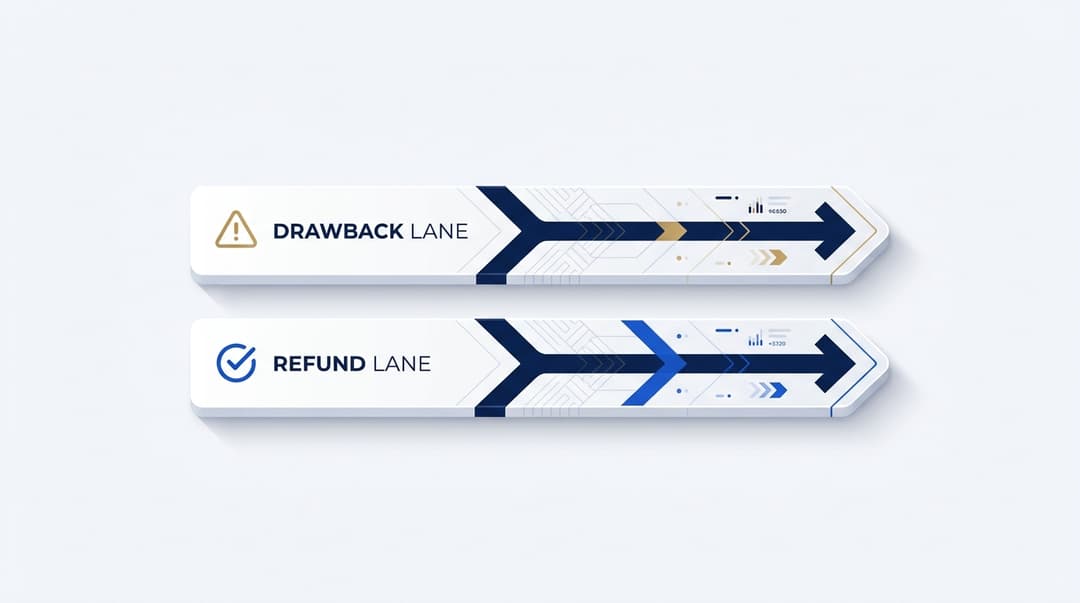
drawback versus refund quick comparison
When each refund path applies to the same entry.
Read more →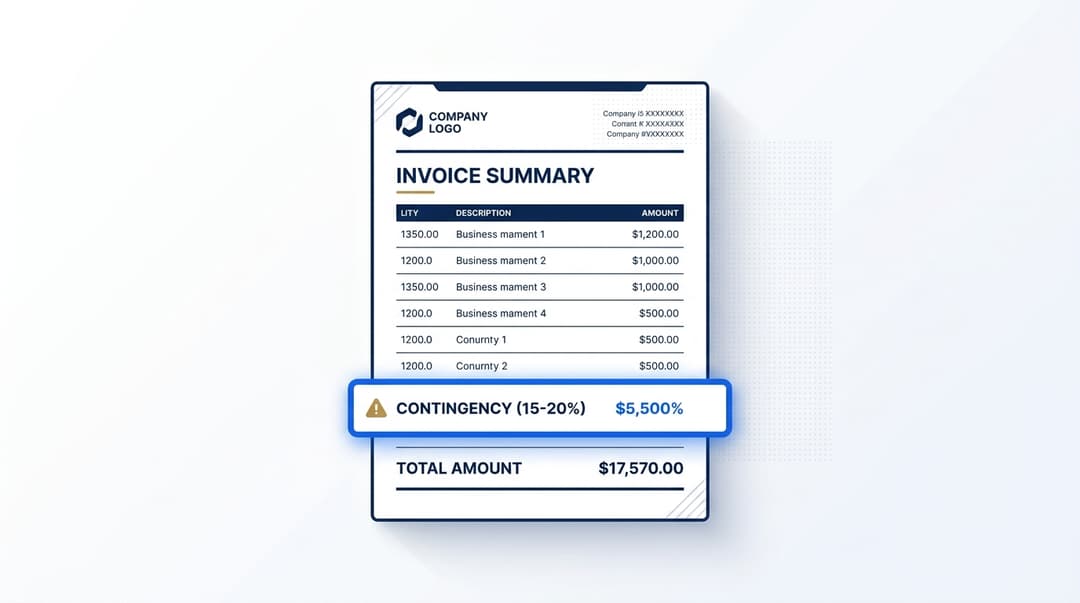
cost ranges for a drawback program
Pricing context for the drawback half of the comparison.
Read more →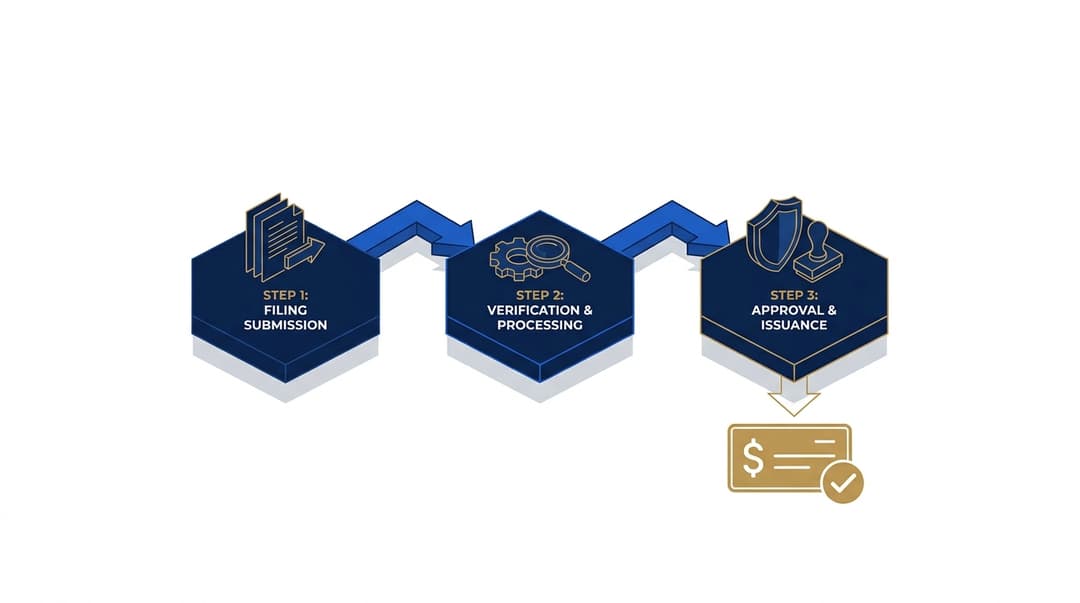
drawback filing mechanics step by step
What filing actually looks like on the drawback side.
Read more →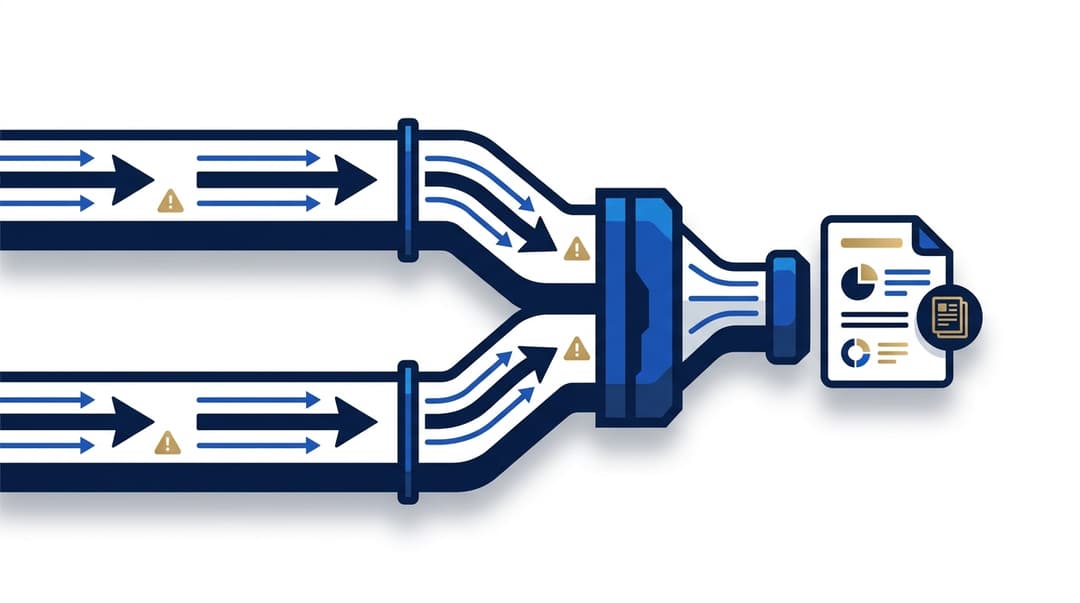
drawback path versus IEEPA refund path
Strategic choice between drawback and CAPE on the same entry.
Read more →
Texas FTZ filing context
Foreign-trade-zone strategy along the Gulf coast.
Read more →Frequently asked questions
Ready to recover?
Run the calculator or take the 60-second qualification quiz. Estimate only — subject to CBP adjudication.