Does CBP pay interest on tariff refunds?
The statutory basis
19 USC 1505(c) provides that interest accrues on any excess duty paid, from the date of deposit to the date the refund is made. The rate is the same as the IRS underpayment rate under 26 USC 6621 — tied to the federal short-term rate plus 3 percentage points.
This applies to:
- Refunds after CF-19 protest approval
- Refunds from reliquidation
- Refunds from statutory changes (like CAPE IEEPA)
- Refunds from Post-Summary Correction
Interest is not paid on MPF or HMF refunds, which are user fees, not duty.
Current interest rates
IRS publishes the underpayment rate quarterly. Approximate recent rates:
- Q1 2026 — 8 percent
- Q4 2025 — 8 percent
- Q3 2025 — 8 percent
- Q2 2025 — 8 percent
- Q1 2025 — 8 percent
Daily compounding under 26 USC 6622 means a duty deposit held for one year earns roughly 8.3 percent effective yield. Over 18 to 24 months — common for CAPE cases where the IEEPA duty was paid in 2025 and refunded in 2026 or 2027 — compounded interest is material.
Interest calculation example
Example: $500,000 IEEPA duty paid June 15, 2025. CAPE refunds September 15, 2026 (15 months later).
- Principal: $500,000
- Annual rate: 8 percent (approximate, variable by quarter)
- Daily rate: ~0.0219 percent
- Days held: 457
- Interest accrued: ~$50,000
- Total refund: ~$550,000
Actual math uses the specific quarterly rate each day. Your broker or CBP produces the official interest calculation at refund.
When interest starts and stops
Start — Date of deposit. For normal consumption entries, this is the date duty was paid to CBP, typically at entry or via periodic monthly statement payment.
Stop — Date of refund disbursement (when the Treasury ACH clears to your account).
The CF-19 protest process, CAPE processing delay, and CBP review time all accrue interest. This is one reason CBP has a financial incentive to process refunds promptly — the interest meter is running against Treasury.
Does interest apply to CAPE refunds?
Yes. CAPE is processing refunds under 19 USC 1514/1515 authority (with IEEPA-specific statutory refund mechanism). Interest under 19 USC 1505(c) applies. Importers should receive both principal (refunded duty) and accrued interest on CAPE disbursements.
Verify on your ACH: the total should exceed the original IEEPA duty by the interest amount. If CBP disburses only principal, request interest calculation from your broker.
Taxability of refund interest
The refunded duty itself is generally not taxable income — it's a return of capital (duty previously paid was likely capitalized into COGS). The interest portion is taxable ordinary income under IRC Section 61. Consult your tax advisor on:
- Proper treatment of the interest as miscellaneous income
- Whether the original duty deduction/capitalization needs to be adjusted on amended returns
- State tax implications
Your CPA should handle this as part of the refund processing workflow. Large refunds can materially impact the year's tax position.
Interest on drawback
Drawback under 19 USC 1313 generally does NOT pay interest. Drawback is a trade incentive refund, not an excess-duty refund under 1505. The policy rationale: drawback is earned by export activity, not by prior overpayment.
This is a key distinction from CAPE and CF-19 refunds. See drawback path versus refund path.
Interest on denied protests
If you file a CF-19 protest and CBP denies it, no interest accrues because no refund is owed. If you appeal to the Court of International Trade under 28 USC 1581 and win, interest flows back to the date of deposit as if CBP had approved initially.
Banking and ACH timing
Once CBP approves the refund including interest, Treasury's Payment Management System issues the ACH. Typical timing:
- CBP approval to Treasury PMS queue: 1 to 3 business days
- Treasury PMS to originating ACH: 1 to 2 business days
- Originating ACH to your bank: 1 to 2 business days
- Total: 3 to 7 business days after approval
Confirm the bank details on your CBP Form 5106 are current before filing.
What if CBP underpays interest?
If the interest amount on your refund looks wrong:
- Request the detailed interest calculation from CBP via your broker
- Verify the deposit date, refund date, and quarterly rates applied
- File a follow-up inquiry through ACE if calculation is incorrect
- Escalate to CBP Revenue Division for significant discrepancies
Interest miscalculations are uncommon but possible, especially on entries that straddle multiple rate quarters.
Calculate your tariff refund → /calculators/ieepa-refund
Related questions
How long does the refund take? 60 to 90 days for CAPE. See how long tariff refund takes.
Does drawback pay interest? Generally no. See drawback claims contrasted with CAPE refunds.
What's the current IRS rate? Check IRS Rev. Rul. quarterly publications for the exact rate.
Not legal advice. Customs business performed by licensed customs broker partners under 19 CFR 111.
Keep reading
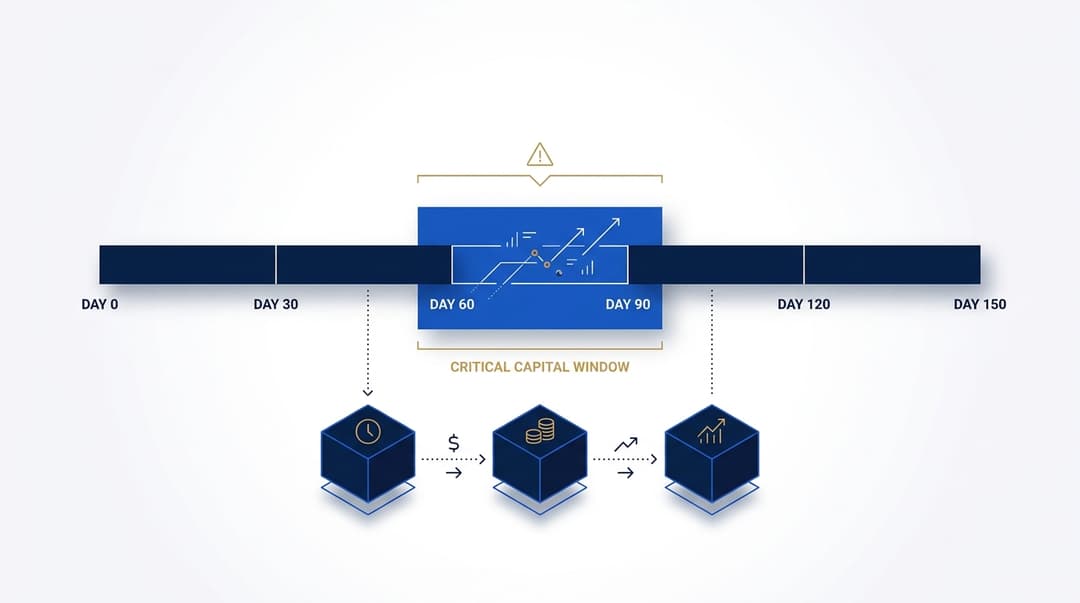
processing time that affects interest accrual
Longer processing means more interest, all else equal.
Read more →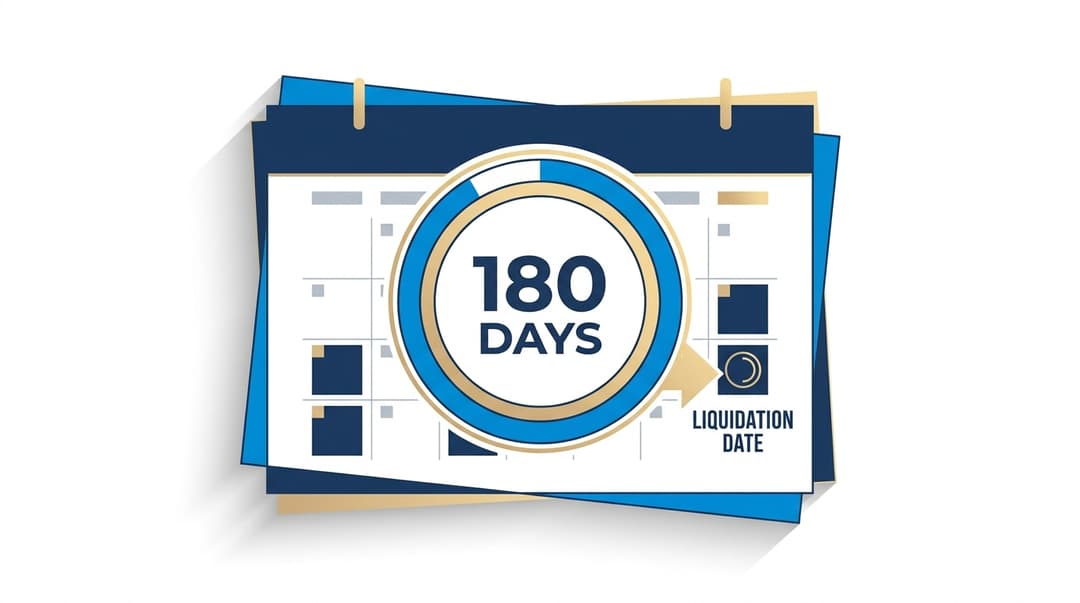
interest start date tied to liquidation
Liquidation timing controls the interest baseline.
Read more →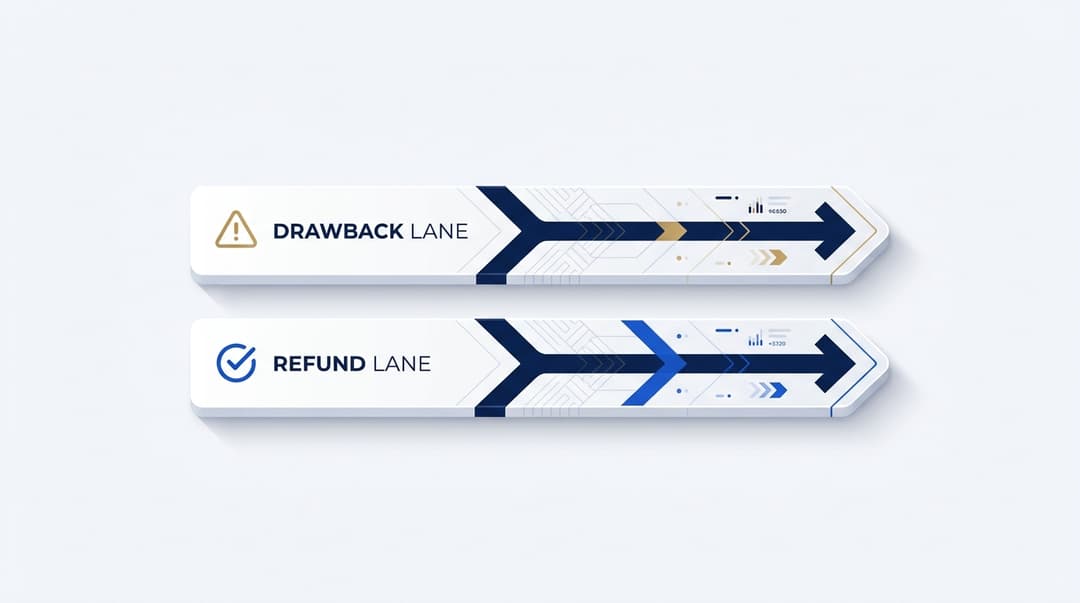
drawback interest versus CAPE interest
Two different interest regimes on parallel paths.
Read more →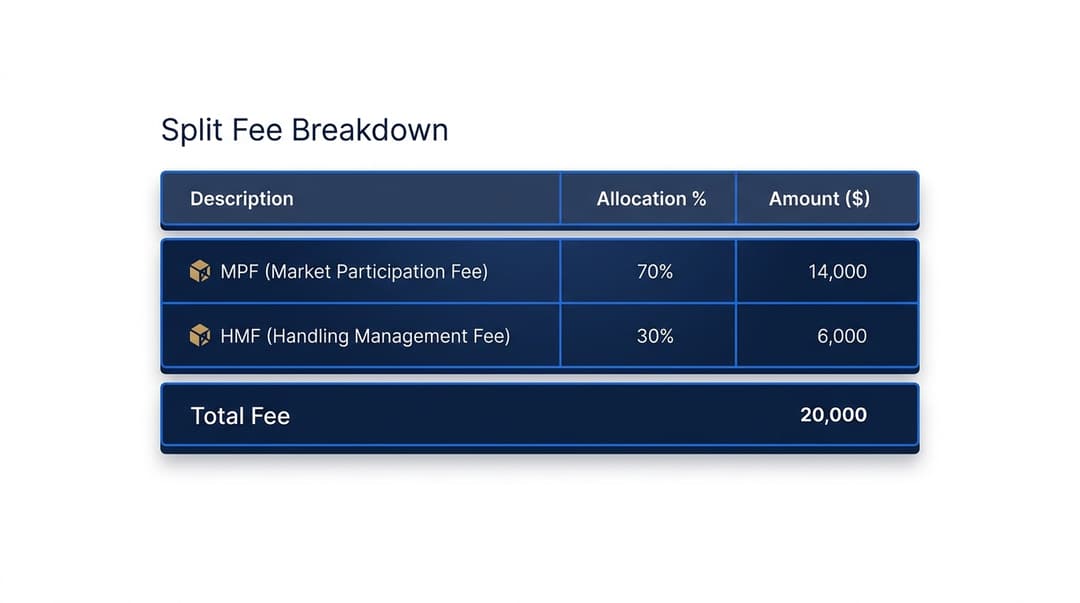
MPF and HMF fee interest treatment
Whether ancillary fees accrue 1505(c) interest.
Read more →Related questions
Find out what you’re actually owed.
Run the IEEPA refund calculator or take the 60-second qualification quiz. Estimate only — subject to CBP adjudication.